
Heavy floor wax build up is one of the most common problems affecting commercial and residential flooring. Remove heavy floor wax build up safely and effectively with the right floor stripping methods, cleaning products, and maintenance techniques. Over time, multiple wax applications can create thick buildup that leaves floors looking dull, yellow, sticky, and uneven. Heavy floor wax build up is especially common in commercial buildings, schools, retail stores, healthcare facilities, and residential vinyl or tile floors.
If left untreated, excessive wax buildup can damage your floor finish and reduce the overall lifespan of your flooring. The good news is that proper floor stripping techniques can safely remove old wax layers and restore your floors’ original shine. At Atlantic Cleaning Co., our experienced team has helped businesses and property owners throughout Fall River MA remove stubborn floor wax buildup and maintain cleaner, longer-lasting floors for decades.What Causes Heavy Floor Wax Build Up?
Floor wax buildup usually happens when new wax coats are applied repeatedly without fully removing older layers. Over time, the wax becomes uneven and starts collecting dirt and contaminants. Common causes include:- Applying too many wax coats
- Improper floor stripping before rewaxing
- Using dirty mops during maintenance
- Using low-quality floor wax products
- Skipping regular floor maintenance
- Excessive burnishing without deep cleaning
- Infrequent commercial floor stripping
Signs Your Floor Has Excess Wax Build Up
Not sure if your floors need stripping? Here are some common warning signs:- Yellow or brown discoloration
- Cloudy or hazy floor appearance
- Sticky floor surfaces
- Uneven shine or dull patches
- Black heel marks that do not come off
- Wax peeling or flaking
- Floors look dirty even after cleaning
Tools & Supplies Needed To Remove Floor Wax Build Up
Before starting the floor stripping process, gather the proper supplies:- Commercial floor stripper
- Mop and bucket
- Floor scrubber or buffer machine
- Black stripping pads
- Rubber gloves
- Safety goggles
- Wet vacuum or squeegee
- Neutral floor cleaner
- Clean microfiber mop
Step-By-Step Guide To Remove Heavy Floor Wax Build Up
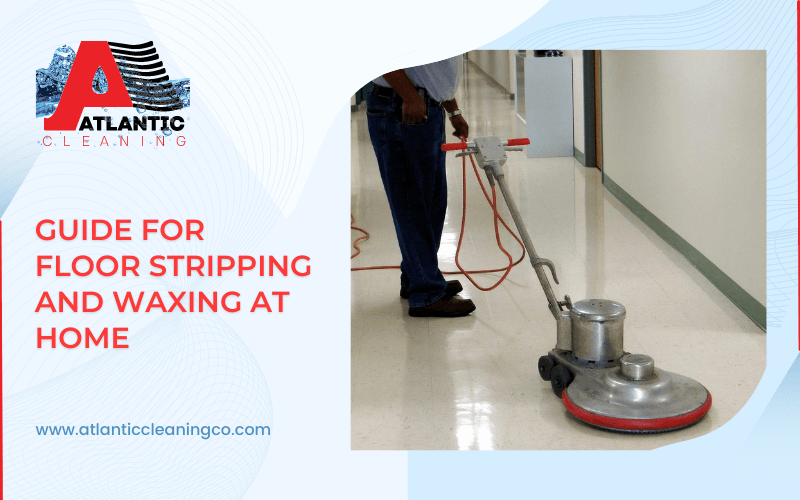
Step 1: Clear The Area Remove furniture, rugs, and obstacles from the floor. Sweep or vacuum thoroughly to eliminate dust and debris before applying any stripping solution. Step 2: Prepare The Floor Stripping Solution Mix the commercial floor stripper according to the manufacturer’s instructions. Avoid over-concentrating the solution, as this may damage certain floor types. Warm water often helps activate the stripping chemicals more effectively. Step 3: Apply The Wax Remover Apply the stripping solution evenly across a small section of the floor using a mop. Let the solution sit for approximately 5 to 10 minutes so it can soften the wax layers. Do not allow the solution to dry completely. Step 4: Scrub The Floor Use a floor buffer or scrubber machine with a black stripping pad to break down the old wax buildup. Focus on corners and edges where wax accumulation is usually heavier. For smaller residential floors, manual scrubbing may also work. Step 5: Remove The Slurry As the wax dissolves, a thick slurry forms on the floor surface. Remove it immediately using a wet vacuum, mop, or squeegee. Leaving residue behind can cause uneven refinishing later. Step 6: Rinse The Floor Thoroughly Rinse the entire floor with clean water to remove leftover chemicals and wax particles. Repeat the rinsing process if necessary. Proper rinsing prevents residue from interfering with the new wax application. Step 7: Allow The Floor To Dry Let the floor dry completely before applying any new floor finish or wax coating. Moisture trapped under fresh wax can create adhesion problems and cloudy finishes. Following a proper guide to floor stripping and waxing helps prevent permanent floor damage and uneven wax buildup.Best Products For Removing Floor Wax Build Up
The Occupational Safety and Health Administration recommends proper handling of commercial cleaning chemicals and the use of protective equipment during floor stripping procedures. Several products can help remove old wax safely, depending on the flooring type and the severity of the buildup. Popular floor wax removal solutions include:- Commercial floor stripping chemicals
- Ammonia-based wax removers
- Neutral floor cleaners
- Low-foam stripping agents
- Heavy-duty floor degreasers
Common Mistakes To Avoid During Floor Wax Removal
Many DIY floor stripping jobs fail because of avoidable mistakes.Applying Too Much Stripper
Excess chemical use can damage flooring and leave residue behind.Skipping The Rinse Process
Failing to rinse thoroughly affects the bonding of future wax coats.Using Incorrect Pads
Using overly aggressive scrub pads may scratch sensitive flooring.Applying New Wax Too Soon
Waxing damp floors traps moisture and causes cloudy finishes.Ignoring Routine Maintenance
Delaying professional stripping allows buildup to become harder to remove over time. Businesses looking to avoid long-term floor damage should invest in regular floor maintenance schedules.DIY Floor Wax Removal vs Professional Floor Stripping Services
DIY wax removal may work for small residential floors with minimal buildup. However, large commercial floors often require professional equipment and expertise. Professional floor stripping services offer:- Industrial-grade stripping equipment
- Faster wax removal
- Safer chemical handling
- Better floor protection
- Consistent floor finish results
- Reduced downtime for businesses
How Often Should Floors Be Stripped And Waxed?
The frequency depends on foot traffic and building type.Recommended Schedule
| Facility Type | Recommended Stripping Frequency |
|---|---|
| Retail Stores | Every 6–9 Months |
| Schools | Every 6–12 Months |
| Office Buildings | Every 12 Months |
| Healthcare Facilities | Every 4–6 Months |
| Residential Vinyl Floors | As Needed |
Why Professional Floor Maintenance Matters
Proper floor maintenance does more than improve appearance. Clean, well-maintained floors help:- Extend flooring lifespan
- Improve workplace safety
- Reduce slip hazards
- Enhance the building's appearance
- Protect flooring investments
- Improve indoor cleanliness